Scheduled Maintenance Plans

Keep Your Entrances Working Between Repairs

Most commercial door failures start small: a closer that slams a little harder each month, a hinge that wears until the door drags, a panic bar that has to be pushed twice. DC Commercial Door Solutions offers scheduled preventive maintenance for commercial doors in Washington DC, with service in Maryland and Northern Virginia, so those problems are found and corrected during a planned visit instead of turning into a door that will not lock at closing time.

A preventive maintenance plan covers the doors that see the most use and cause the most trouble: storefronts and main entrances, automatic doors, door closers, hinges and pivots, panic bars and exit devices, and the latch and strike alignment that lets a door secure itself every time it closes.
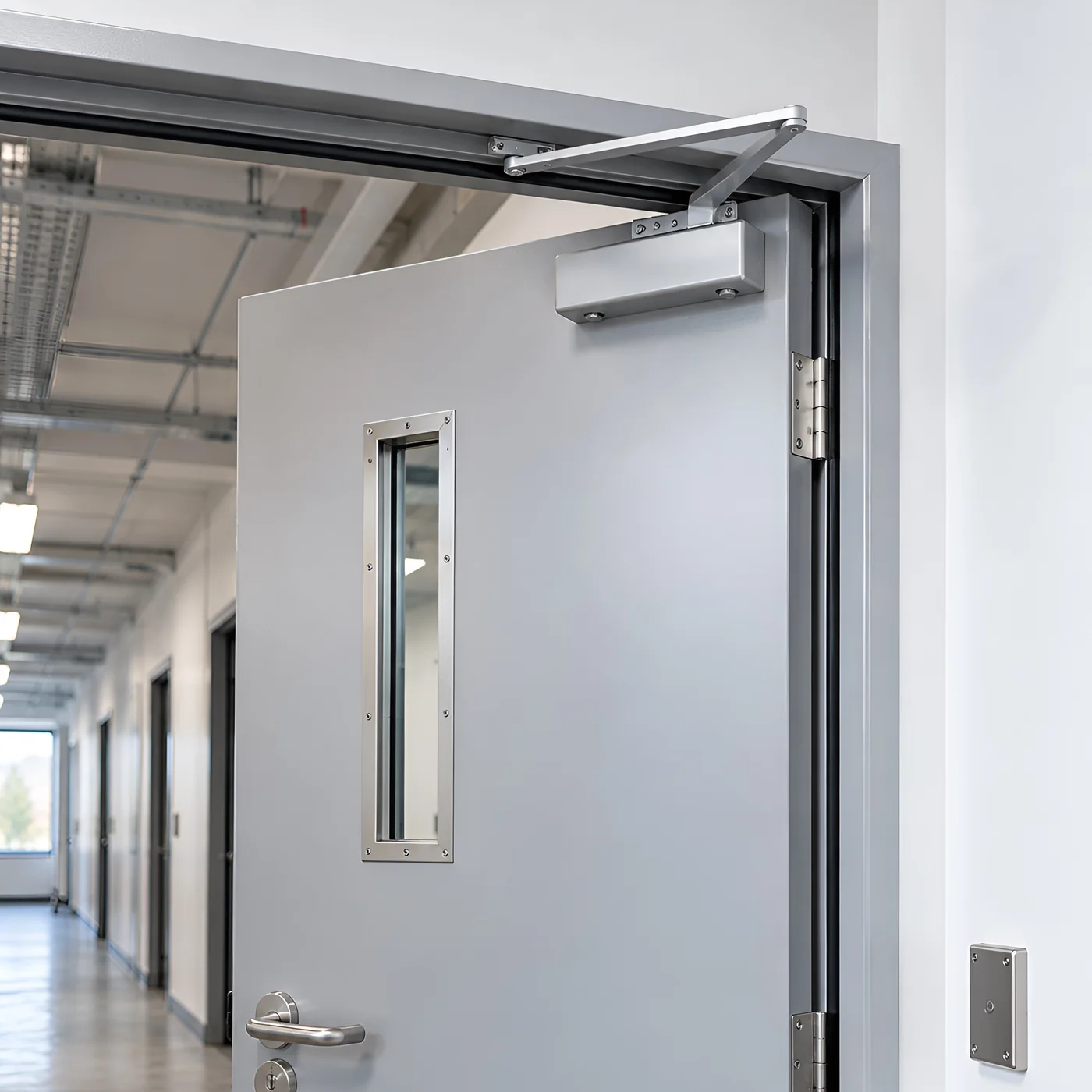
Technician adjusting a commercial door closer during a preventive maintenance visit

Who Preventive Maintenance Is For

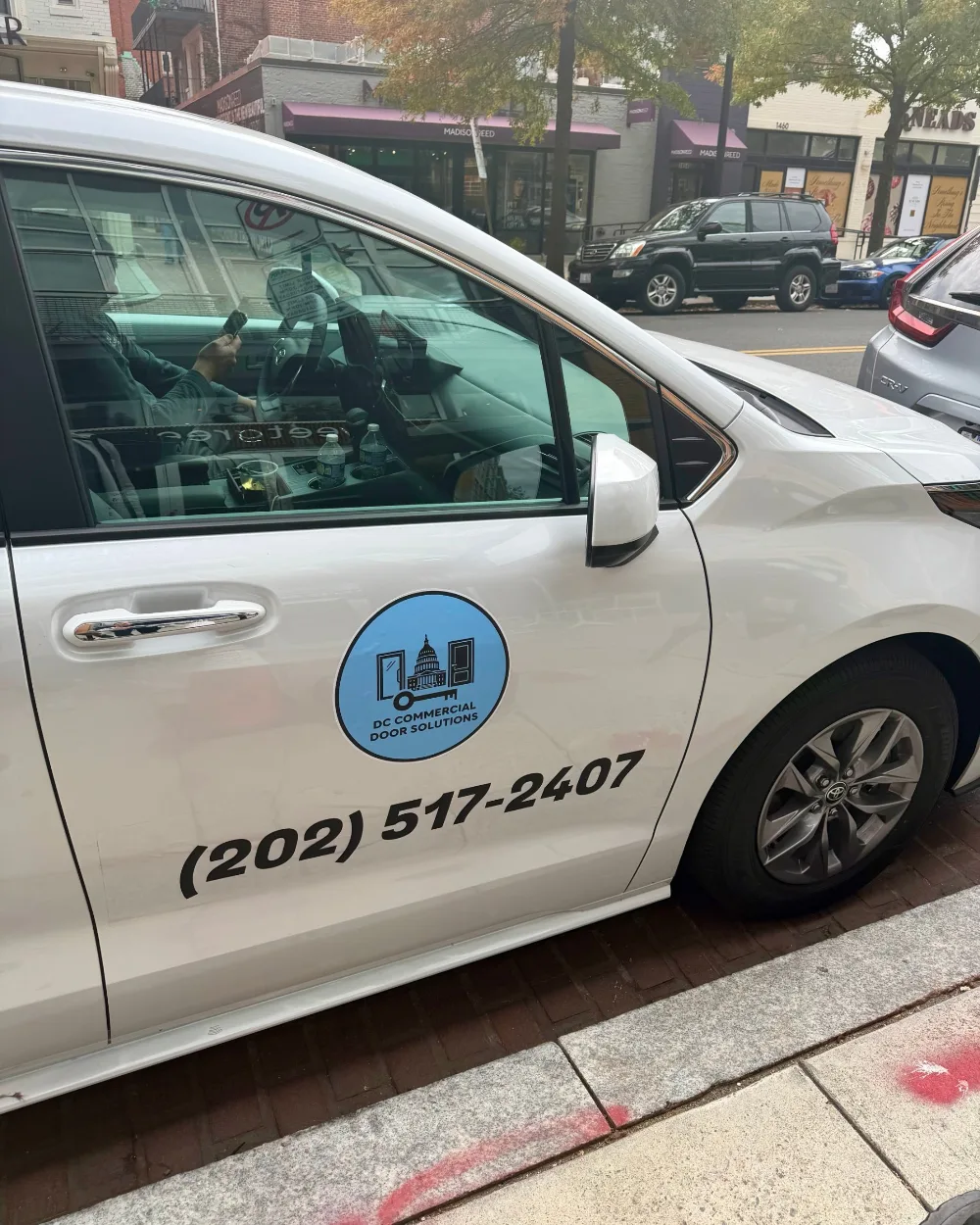
DC Commercial Door Solutions service van with logo and phone number parked on a Washington, DC street

Preventive maintenance is built for the people responsible for keeping a building open and secure: property managers, facility managers, building engineers, and business owners who would rather plan door work than react to it.

It makes the most sense for properties with high-traffic or hard-working openings, including office buildings, retail storefronts, government buildings and facilities, schools and educational facilities, universities, healthcare facilities, hotels, warehouses, and the entrances and common areas of apartment and condominium buildings. If the same doors keep showing up in your work orders, a scheduled visit is usually less disruptive and less costly than repeated emergency calls.

Preventive maintenance also helps with budgeting. When a closer, hinge set or exit device is getting near the end of its service life, you hear about it at a planned visit and can schedule the replacement, instead of paying for an urgent call when it fails at opening or closing time.

What a Preventive Maintenance Visit Covers

Every visit is tailored to the doors in your plan. These are the openings and components we cover most often.

Storefront and commercial entrances

We check aluminum and glass storefront doors, entrance doors, and their hardware for sagging, rubbing, worn weatherstripping, and locks that are hard to operate, so your front door looks and works the way customers expect.

Automatic doors

On automatic door systems, we check operator function, opening and closing speed, sensors and activation devices, and door alignment, and correct issues that cause doors to hesitate, stall, or close unevenly.

Door closers

We adjust closing and latching speed, check for leaking or damaged door closers, tighten arms and mounting, and flag closers that are near the end of their service life.

Hinges and continuous hinges

We look for worn knuckles, loose screws, and sagging doors, tighten what can be tightened, and note hinges or continuous hinges that need replacement before the door starts dragging on the floor or frame.

Pivots and floor closers

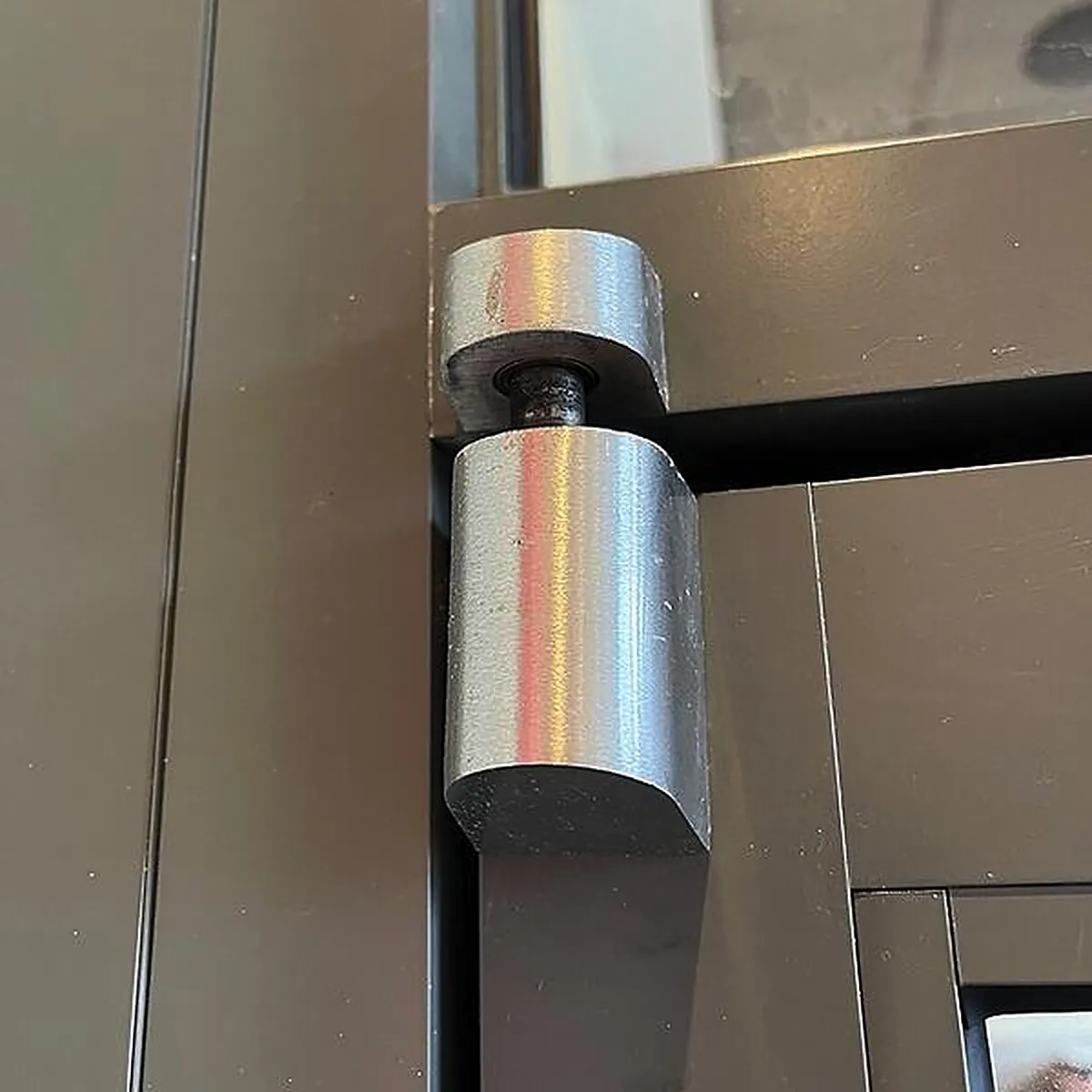
Offset pivots, center-hung pivots, and floor closers carry heavy doors and wear quietly. We check them for movement, leaking, and misalignment and refer anything that needs more than adjustment to pivot repair.

Panic bars and exit devices

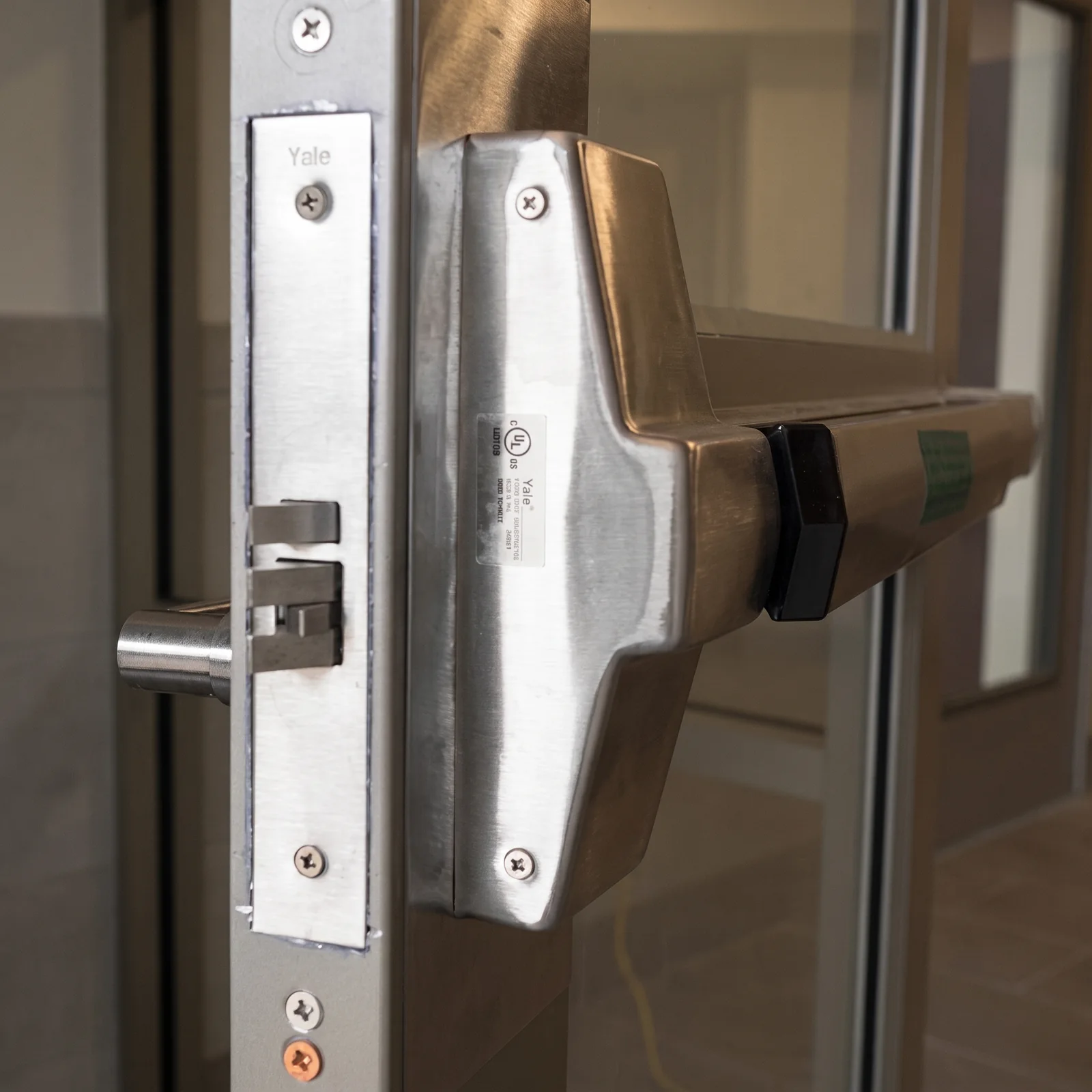
We test panic bars and exit devices for smooth operation and full latching, check rods and latches on vertical rod devices, and correct dogging and latch problems that leave doors unsecured.

Latch and strike alignment

A door that closes but does not latch is not secure. We check latch and strike alignment and adjust the door, strike, or closer so the door secures itself every time it closes.

Locks and cylinders

We check that locks and cylinders on maintained doors operate smoothly with the keys in use, and refer worn or failing hardware to commercial lock repair.

How a Preventive Maintenance Visit Works

Visits are scheduled ahead of time and planned around your tenants, customers, and staff.

  • Walk the openings in your plan We go door by door through the openings included in your plan and check how each one opens, closes, latches, and locks.
  • Adjust and service on the spot Routine adjustments, tightening, and lubrication are handled during the visit so small problems do not wait for the next work order.
  • Report what needs more work Anything that needs a repair or replacement part is explained before we do it, so you can approve the work and plan for it.

Doors that fail between visits can still be handled as regular commercial door repair calls.

Maintenance Is Not a Fire-Door Inspection

Routine preventive maintenance and formal fire-door inspection are separate services. During a maintenance visit we adjust and repair hardware on doors, including closers and latching hardware on fire-rated doors, so they keep closing and latching.

We do not perform formal fire-door inspections, issue inspection reports, certify fire doors, or apply fire labels. If your building requires a fire-door inspection, it should be performed separately by a qualified inspector. We can repair or replace the hardware an inspection identifies.

Panic bar exit device and latch on a commercial glass door in Washington DC

Planning a Preventive Maintenance Schedule

There is no single schedule that fits every building. A busy retail entrance or an automatic door at a medical office needs attention more often than a back-of-house utility door.

After walking your property, we suggest which openings to include and how often to visit them based on traffic, door type, and the problems you are already seeing. The plan can cover a single entrance or every door across several buildings.

As a starting point, main entrances, automatic doors and other high-traffic openings are usually checked more often, and quieter interior and back-of-house doors less often. We adjust the preventive maintenance schedule after the first visits based on what we find, and keep notes on each opening so wear can be compared from one visit to the next and you have a record of what was adjusted, repaired or recommended. A plan can start with a few problem doors and grow once you see the results.

Aluminum storefront door pivot hinge close-up for commercial door pivot repair in Washington DC

How to Request a Maintenance Plan

Getting started takes a short conversation and one walk-through.

  • 1. Book a consultation Book a consultation online or call (202) 517-2407 and tell us about your property and the doors that cause the most trouble.
  • 2. Walk the property We walk the building with you, look at the openings you want covered, and note anything that needs repair before the first visit.
  • 3. Set your schedule We recommend a visit schedule and scope for your doors, and you choose the plan that fits your building and budget.

Preventive Maintenance in Washington DC, Maryland, and Northern Virginia

We are based in Washington, DC and provide mobile commercial door service throughout the District, with service in Maryland and Northern Virginia. Maintenance plans are a good fit for property managers, government facilities, schools and educational facilities, office buildings, healthcare facilities, retail properties, and hotels.

Frequently Asked Questions

How often should commercial doors get preventive maintenance?

It depends on traffic and door type. Busy storefronts, main entrances, and automatic doors usually need more frequent visits than back-of-house or low-traffic doors. After we walk your property, we suggest a schedule based on how each opening is used, and you decide what fits your building and budget.

Is preventive maintenance the same as a fire-door inspection?

No. A maintenance visit adjusts, lubricates, and repairs door hardware so doors keep working. It is not a formal fire-door inspection, and we do not issue fire-door inspection reports, certify fire doors, or apply fire labels. If your building needs a fire-door inspection, that is a separate service; we can repair the items an inspection identifies.

What happens if you find a part that needs replacing?

Small adjustments, tightening, and lubrication are made during the visit. If a closer, hinge, pivot, exit device, or lock needs repair or replacement, we explain what we found and what it will take before doing the additional work.

Can you maintain doors at more than one property?

Yes. Property managers and facility teams often include several buildings in one maintenance plan, and we can schedule visits across locations in Washington DC, Maryland, and Northern Virginia.

How do I start a maintenance plan?

Book a consultation online or call (202) 517-2407. Tell us about your buildings and the doors that give you the most trouble, and we will set up a walk-through to plan the first visit.

Request a Preventive Maintenance Plan

If you manage a commercial property in Washington DC, Maryland, or Northern Virginia, call (202) 517-2407 or book a consultation online to plan maintenance for your doors. You can also contact us with questions, or read more about DC Commercial Door Solutions.

Go To Top